Almost nobody is pleased to meet the pig. When it turns up on a journey, people tend to react the way our culture has trained them to — with a small flinch, a sense that they must have done something wrong to be sent something so ordinary, so earthbound, so unspiritual. And then, if they stay, the pig does something disarming. It looks at them with an intelligence that is unmistakable and completely unbothered by their disappointment, and it goes back to rooting in the ground. The message lands before any words do: you have been mistaking my plainness for a lack of depth, and you have made that mistake about yourself, too.
This page is about the pig spiritual meaning — what it says when this animal keeps arriving in your dreams, your journeys, or your waking life. It is not about livestock. In my practice, the pig comes to people who have been undervalued, or who are undervaluing themselves, and to people who have lost their honest relationship with appetite, comfort and the pleasures of the body. It is one of the most intelligent guides there is, and it arrives wearing a costume designed to make you look away.
The Bridge: What the Real Animal Teaches About the Pig Spirit Animal
Every claim about this animal’s medicine should be traceable to what the animal actually is — and the real pig is far stranger and more capable than the barnyard cliche.
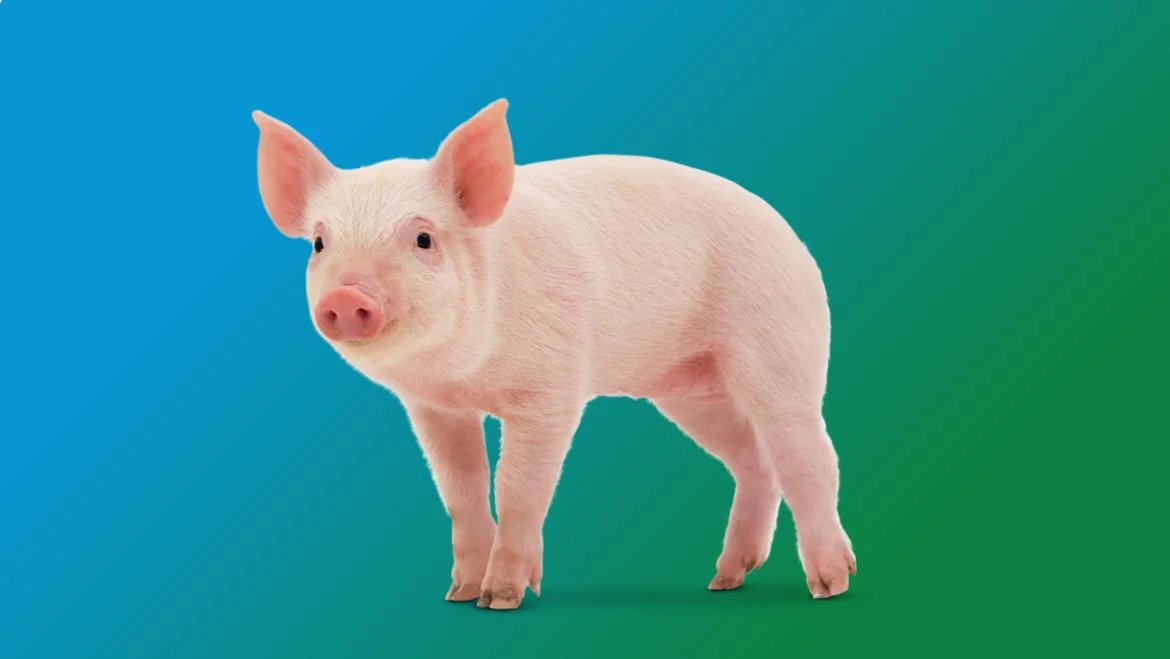
- It is one of the most intelligent animals on earth. Pigs solve problems, use mirrors to locate food, learn their names, and remember. In cognition tests they routinely outperform dogs. The pig’s whole medicine begins here: it is a genius the world has agreed to call stupid. If your intelligence, or your worth, has been consistently overlooked — because you are quiet, or ordinary-seeming, or in the wrong kind of body — the pig has arrived on purpose.
- It roots — it reads the world through the ground. A pig’s snout is an instrument of extraordinary sensitivity, and rooting is not mindless digging; it is searching, testing, uncovering what is buried. Symbolically this is precise: the pig finds nourishment by going into the earth, into the material and the overlooked, rather than reaching for the sky. Pig medicine is grounded medicine. What you need is under your feet, not above your head.
- It is clean, given the chance. Pigs wallow in mud because they cannot sweat and need to cool down and protect their skin — not because they love filth. Left with room, they keep their sleeping area scrupulously clean. The filth we associate with the pig is our projection, and our mismanagement. Sit with that: an animal universally called dirty is, in fact, careful — and the mess was ours.
- It knows how to enjoy being alive. Pigs are sensory, social, curious creatures that take obvious pleasure in food, warmth, company and touch. In a culture that treats appetite as shameful, the pig is unapologetic about the body’s simple joys. That, too, is medicine — for anyone who has learned to feel guilty about wanting.
Pig Symbolism Across Traditions
Few animals split the world’s traditions as sharply as the pig — sacred abundance in one culture, taboo in another — and the split itself is the teaching.
China: the last of the zodiac, and the sign of plenty
In Chinese tradition the Pig is the twelfth and final animal of the zodiac, and it is anything but a joke. Those born in its year are associated with generosity, honesty, good fortune and contentment, and the pig itself is a long-standing emblem of prosperity and abundance — a full trough, a fed family, a surplus that means survival through winter. You can see how it sits among its siblings in the Chinese and Native American zodiac guide. The teaching that carries: abundance is not glamorous. It is a well-managed store of ordinary things.
Celtic and Norse: the boar of the otherworld
The pig’s wild ancestor, the boar, was one of the most honoured animals of the northern European world. In Norse myth the boar Sæhrímnir is slaughtered and feasted upon in Valhalla every night and made whole again every morning — inexhaustible nourishment, death and renewal in one body. In Celtic material pigs are repeatedly creatures of the Otherworld, gifts of the gods, hunted across boundaries that change the hunter. The pig is not only comfort and plenty; it is also the animal of sacred abundance that must be respected, not merely consumed.
The taboo, and the weight of projection
In several major traditions the pig is forbidden — unclean, not to be eaten, not to be touched. I name this rather than skipping it, because the pig’s shadow lives partly in how thoroughly humans have disowned it. In depth-psychological terms the pig is a near-perfect image of the exiled part of the self: the appetite, the ordinariness, the intelligence we would rather not claim, the body we were taught to be ashamed of. When the pig appears in a journey, it is very often carrying exactly the thing you have refused to call your own.
The Shadow of the Pig
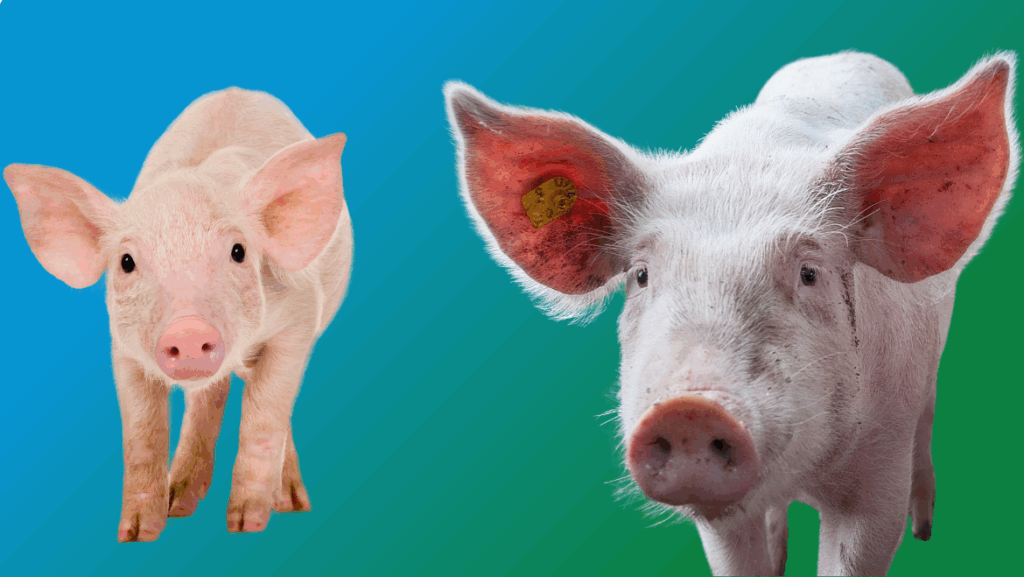
The pig’s gifts — abundance, appetite, groundedness, comfort — each have a precise failure mode, and because the animal is already disrespected, its shadow is easy to weaponise against the very people it comes to help.
- Abundance turned to consumption. The pig’s genius for finding nourishment becomes, in shadow, the endless filling of a hole that food, money, or acquiring cannot fill. “Greed” is the accusation — but the real pig eats to be satisfied and then stops. If your consuming never reaches satisfaction, the question is not “how do I want less?” It is: what hunger underneath this am I refusing to name?
- Comfort that has become a cage. The pig loves warmth, ease, the familiar trough. Its shadow is the life that has quietly shrunk to what is comfortable — no risk, no cold, no reaching, because the sty is warm and leaving it means weather. Groundedness is a gift; rootedness in a place that no longer feeds you is not.
- Intelligence used to stay hidden. Some pig-medicine people have learned that being underestimated is safe. They keep their real intelligence in the mud where no one will ask anything of it. That is not humility. It is a genius in hiding, and the pig has come to end the disguise.
- Self-disgust wearing the pig’s face. If the pig appears and you feel revulsion, that revulsion is the material. Something in you — your body, your want, your ordinariness — has been labelled dirty and exiled. A pig appearing penned, distressed, or being led to slaughter in a dream is rarely about the outside world; it usually points to a part of yourself you have been treating as expendable.
How to Journey to the Pig
Shamanic work is not a substitute for medical or psychological care. If you are new to journeying, begin with the guide to finding your spirit animal. Allow about thirty undisturbed minutes.
- Set a pig-shaped intention. Not “make me more spiritual,” but: “Show me what I have been calling worthless — in my life, or in myself.” The pig responds to honesty about value.
- Go down to the ground. Enter through soil, a field, a woodland floor — somewhere earthy and low. Do not fly. The pig lives with its nose in the earth, and that is where you meet it.
- Do not send it away. When the pig comes, notice the recoil, and stay. Ask whether it is here for your good, and then simply follow.
- Let it root for you. Ask the pig to uncover something buried — a gift, a resource, a truth you have covered over. Watch precisely where it digs. In pig journeys the location is usually more important than anything said.
- Ask what it is truly hungry for. Not the surface craving — the one underneath it. The pig answers this question with unusual bluntness. Do not soften what you hear.
- Integrate through the body. Within a day, do one thing that treats your own appetite or comfort as legitimate rather than shameful — eat something slowly and with full attention, rest without earning it, or reclaim one overlooked resource you have been discounting. Pig medicine lands in the body, not the notebook.
Affirmations for Pig Medicine
- “My intelligence does not need to be loud to be real, and I stop hiding it in the mud.”
- “My appetites are not shameful. I let them be satisfied, and then I am at peace.”
- “What I need is in the ground beneath me, in the ordinary and the overlooked.”
Pig Spirit Animal: Questions People Actually Ask
What does it mean when a pig appears in your life?
A repeatedly appearing pig usually points to worth and abundance — either that something (or someone, often you) is being undervalued, or that prosperity and nourishment are closer than you think. It also arrives around appetite and comfort: an invitation to stop being ashamed of the body’s honest wants. The pig rarely flatters, and it rarely lies about value.
Is the pig a good or bad omen?
In most traditions that honour it — especially the Chinese — it is a strongly positive sign of fortune, generosity and plenty. Where it was made taboo, that says more about human discomfort with appetite and the body than about the animal. As a guide it is benevolent but honest: it brings abundance to people willing to stop despising the ordinary.
What does a pig in a dream mean?
Read what it is doing. A well-fed, content pig generally points to prosperity or satisfaction available to you. A pig rooting is uncovering something buried — pay attention to where. A penned, distressed, or slaughtered pig is rarely an outside threat; it usually names a part of yourself — your worth, your appetite, your body — that you have been treating as expendable.
Why do I feel disgust when the pig appears?
Because the pig carries what our culture taught us to disown — appetite, ordinariness, the body, being underestimated. The disgust is not information about the animal; it is information about what you have exiled in yourself. Working with the pig is less about becoming greedy and more about letting the disowned part back into the house.
How do I know if the pig is my spirit animal?
Persistence is the test — whether the image keeps returning without your invitation. For a structured way to work with it rather than guess, sit with the Path of the Paws oracle deck or work through the full A–Z spirit animal guide and let the animal find you.
The pig does not arrive to be admired. It arrives to root up the thing you buried because you were told it was worthless — and to show you, without sentiment, that it was treasure all along.